What tenant improvements and betterments insurance actually covers
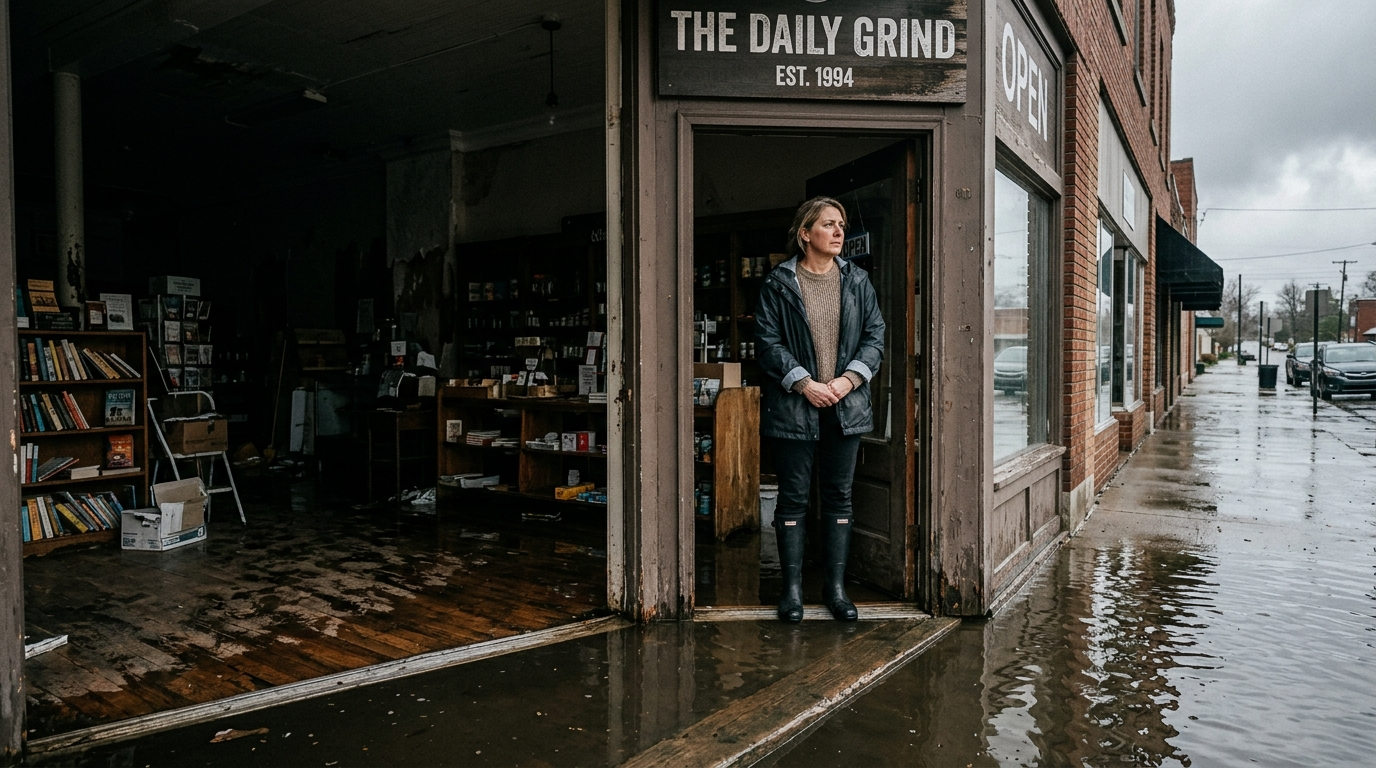
Tenant improvements and betterments insurance protects the money you put into a space you lease but do not own. If you have spent $40,000 finishing out a bare retail unit in Lima, building custom shelving for a boutique in Findlay, or installing a commercial kitchen in a leased space in Columbus, that investment is yours to protect even though the building belongs to someone else. Without the right coverage, a fire, burst pipe, or severe hailstorm could wipe out that investment and leave you rebuilding from scratch at your own expense.
Ohio business tenants make this mistake more often than you might expect: they assume the building owner's property policy covers everything inside the walls. It does not. The landlord's policy covers the shell of the building. The fixtures, upgrades, and customizations you paid for are almost never included.
This post explains how this coverage works, what triggers a claim, how Ohio lease language affects your exposure, and what to look for when you shop for a policy.
The difference between tenant improvements and business personal property
There is a clear line between two categories of property a business tenant typically owns inside a leased space.
- Business personal property is furniture, inventory, computers, equipment, and anything you could move out if you ended the lease. A standard commercial property policy covers this category.
- Tenant improvements and betterments are physical upgrades permanently attached to the building structure: flooring, dropped ceilings, built-in cabinetry, HVAC additions, plumbing modifications, lighting systems, and custom walls. Because these items become part of the building, insurance treats them differently.
The distinction matters at claim time. A fire that destroys your freestanding display cases is handled under personal property coverage. A fire that destroys the custom tile floors and built-in millwork you installed is a tenant improvements claim. Many business owners do not find out their policy has a gap until the loss has already happened.
Why your landlord's policy almost certainly does not cover your buildout
Ohio commercial leases vary widely, but a typical net or gross lease places responsibility for insuring the base structure on the landlord. Their policy is written to cover the building as it existed before you moved in, or as it would be rebuilt to base condition.
Once you start improving the space, you are creating value that falls outside the landlord's coverage in most cases. Three situations where tenants most often discover this gap:
- Fire or water damage. The landlord gets reimbursed to rebuild the shell; you are on your own to replace the specialty finishes, custom counters, or upgraded electrical you added.
- Lease requires you to restore the space. Some Ohio leases require tenants to return the space to original condition at lease end. If damage forces early termination, you may owe restoration costs even on improvements the landlord's insurer already paid to remove.
- Disagreement over ownership. Some leases state that improvements become the property of the landlord immediately upon installation. That clause does not help you recover the money you spent building them out.
Read your lease carefully before assuming any existing insurance fills this gap. When in doubt, pull the exact language and bring it to an agent who can match it to a policy that actually responds.
How tenant improvements and betterments coverage is structured
This coverage is most commonly written as part of a broader commercial property policy or as an endorsement. It can also be included inside a Business Owners Policy (BOP), which bundles property and liability coverage for small to midsize businesses at a more accessible price point.
A few things to understand about how the coverage functions:
Valuation: replacement cost vs. actual cash value
Replacement cost coverage pays what it actually costs to rebuild the improvements to their original condition using current labor and material prices. Actual cash value (ACV) subtracts depreciation before paying. For buildouts that are several years old, ACV can leave a significant gap between what you receive and what it costs to rebuild. Always ask which method your policy uses, and request replacement cost if it is available.
Use interest provisions
Some policies include a "use interest" clause that reduces the payout if the lease term is nearly over at the time of the loss. The logic is that you had fewer remaining years to use the improvements, so you receive a smaller benefit. This clause can dramatically cut your recovery. Ask your agent to point out whether your policy contains this language.
Coverage limits
The limit on tenant improvements coverage needs to reflect the full cost to rebuild what you installed, not what you paid years ago. Construction costs in Ohio have risen sharply in recent years. A buildout that cost $60,000 in 2019 may cost $90,000 or more to replicate today. Review your limits at renewal every year, especially if you have added improvements since the policy was written.
Covered perils
Most tenant improvement endorsements cover the same perils as the base commercial property policy: fire, lightning, windstorm, hail, vandalism, burst pipes, and similar named events. Standard policies do not cover flood damage. If your leased space sits in an area with any flood exposure, ask about commercial flood insurance as a separate policy. Ohio has more flood-prone areas than many business owners realize, particularly near rivers and low-lying commercial corridors.
Common Ohio business types that need this coverage
Nearly any business that leases space and customizes it for operations should carry tenant improvements and betterments coverage. Industries where this comes up most often include:
- Restaurants and food service. Commercial kitchens, hood systems, grease traps, custom flooring, and bar buildouts represent some of the highest per-square-foot improvement costs of any business type.
- Medical and dental practices. Exam room buildouts, specialized plumbing, lead-lined walls for imaging equipment, and custom cabinetry can run well into six figures for a single suite.
- Retail and boutique shops. Custom fixtures, lighting systems, fitting rooms, and display installations are standard improvements in leased retail space.
- Salons and spas. Plumbing for shampoo bowls, custom flooring, ventilation upgrades, and built-in stations are permanent improvements that belong to the tenant economically, not the landlord.
- Fitness studios and gyms. Flooring systems, mirrored walls, ceiling rigging for equipment, and sound systems are classic tenant improvements.
- Law firms, accounting offices, and professional services. Custom reception areas, conference room buildouts, and technology infrastructure upgrades all qualify.
If your business falls into any of these categories in Lima, Dayton, Findlay, Troy, Defiance, or anywhere else across Ohio, pull out your lease and your current commercial property policy and compare what you actually have.
How lease language interacts with your insurance
Ohio commercial leases do not follow one standard template. What your lease says directly affects what coverage you need and how a claim is settled. Three clauses to look for:
Improvement ownership clauses
A lease may state that all improvements become the landlord's property immediately upon installation, or that they revert to the landlord at lease end. Either way, you still need coverage for the period you are using those improvements and for your obligation to replace them if damaged during your tenancy.
Insurance requirement clauses
Many commercial landlords in Ohio now require tenants to carry a minimum amount of coverage for improvements as a condition of the lease. Failing to maintain that coverage can put you in default. Review the required limits against your actual buildout cost, because required minimums are often set at lease signing and may not reflect current replacement costs.
Restoration obligations
Some leases require you to restore the space to its original condition when you leave. If a covered loss destroys improvements that you are obligated to remove or replace, that obligation does not go away. Make sure your coverage accounts for the restoration cost, not just the value of the improvements themselves.
Bundling tenant improvements coverage with other commercial policies
For most small and midsize Ohio businesses, the most cost-effective way to cover tenant improvements is through a well-structured Business Owners Policy. A BOP combines commercial property (which can include a tenant improvements endorsement), general liability, and sometimes business interruption into a single policy. The premium is typically lower than buying those coverages separately.
On the topic of business interruption: if a covered loss destroys your improvements and forces you to close while the space is rebuilt, business interruption insurance can cover your ongoing expenses and lost income during that downtime. For a restaurant or medical practice that depends on a specific, built-out space to operate, that coverage can determine whether you reopen or close permanently.
If your business has grown significantly or your lease space carries a high-value buildout, you may want separate commercial property coverage with a dedicated tenant improvements limit rather than relying on the property sublimit inside a BOP. An independent agent can run the comparison based on your actual numbers.
Get the right coverage for your Ohio leased space
At Ley Insurance Agency, we work with business tenants across Ohio, from Lima and Van Wert to Columbus and Dayton, to make sure the money they put into their leased spaces is properly protected. As an independent agency, we compare rates and coverage terms across multiple carriers, so we are not locked into one company's product. We look at your actual lease, your actual buildout costs, and your actual risk before recommending a policy.
If you are not sure whether your current commercial property policy includes adequate tenant improvements and betterments coverage, that is exactly the kind of question we can answer in a quick conversation. Do not wait until a claim to find out you have a gap.
Call us at (419) 222-2454 or reach out through our contact page to review your current coverage. We are happy to walk through your lease language, your existing policy, and the options available so you can make an informed decision.
Get A Quote
At Ley Insurance Agency, securing your future is easy. Ready to protect what matters? Contact us for a quick quote and personalized insurance options!
Kelly
Speak to Kelly 24/7
Microphone ready
Start your custom insurance quote
Instant answers to your insurance questions
Schedule appointments or follow-ups
Personal Insurance
From auto and homeowners to renters and umbrella policies, we help protect your family and property. Let’s find coverage that fits your life.
Commercial Insurance
We customize policies for your industry's risks, like general liability and workers' comp, ensuring you can run your business worry-free.
Contact Ley Insurance Agency
Recent Posts